How Walmart’s Safety Protocols Influence Slip and Fall Claims in Florida
Walmart stores throughout Florida rely on internal safety protocols to manage the risks created by thousands of customers moving through their aisles every day. The company invests heavily in written procedures, inspection checklists, and staff training modules designed to reduce hazards. Yet despite these efforts, slip and fall accidents remain among the most common causes of customer injuries. Chalik and Chalik, who represent injured individuals and not Walmart, often analyze whether the retailer’s safety protocols were followed, ignored, or inconsistently applied at the time of an accident. This examination frequently becomes central to determining liability under Florida law.
Florida’s premises liability framework requires customers to prove that Walmart had actual or constructive knowledge of the dangerous condition. A paper protocol does not automatically satisfy Walmart’s legal duty. The issue is whether employees implemented those procedures correctly. For example, Walmart may claim that its staff inspects high traffic aisles every fifteen minutes, but if an accident report or surveillance footage suggests that no inspection occurred for an extended period, this inconsistency can significantly strengthen the claim. Florida law evaluates actions rather than promises, and documented lapses often reveal that the store failed to provide reasonable safety measures.
Another important factor involves employee workloads. Walmart locations often operate with reduced staffing levels during overnight or early morning hours. Even during peak times, employees may juggle restocking, customer service, and cleaning duties simultaneously. This multitasking can lead to delayed responses when hazards appear. If a spill remained on the floor because employees were diverted to other tasks, the legal analysis may focus on whether Walmart allocated adequate staffing levels to maintain a reasonably safe environment. Chalik and Chalik regularly explore these issues, particularly when corporate protocols do not align with real world staffing conditions.
The technology Walmart uses to promote safety also plays a role in slip and fall investigations. Some stores use floor sensors, handheld reporting devices, and digital logs to document inspections. While these tools are designed to improve accuracy, they can create challenges for Walmart if records appear incomplete or inconsistent. For instance, an inspection log that ends abruptly or contains time gaps may suggest that employees were not following the required routines. Attorneys carefully compare these logs with surveillance footage to determine how long a hazard existed and whether Walmart exercised reasonable care during the relevant time period.
Customers who suffer a slip and fall inside Walmart often interact with corporate representatives soon after the incident. Many seek clarity from resources such as the Walmart Injury Claims Department, which provides background information about the internal claims process. Understanding this system is crucial because Walmart’s representatives may appear helpful while simultaneously gathering details that limit the company’s exposure. Injured individuals should answer questions truthfully but avoid speculation, as even casual comments can later be used to argue that Walmart bears little or no responsibility for the injury.
Another recurring issue in Walmart safety protocol cases involves hazard recognition training. Employees are typically instructed to identify spills, clutter, damaged flooring, and other dangers quickly. Yet high turnover rates in the retail sector often result in inexperienced staff members who may not fully understand their responsibilities. When an accident occurs near an area where hazards were visible but unaddressed, the key question becomes whether employees had adequate training and supervision. Attorneys may request training records to determine whether Walmart provided the necessary instruction to maintain safe premises.
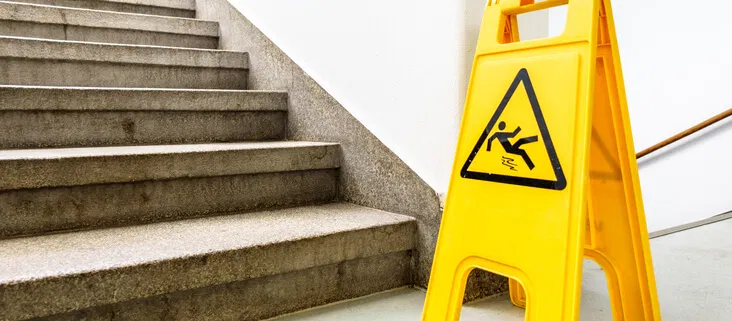
Lighting and signage also form part of Walmart’s internal safety rules. Proper illumination allows customers to detect floor hazards, while warning signs help alert shoppers to wet floor conditions or temporary cleanup operations. When lights are dim, malfunctioning, or partially blocked by merchandise displays, visibility declines. Customers may have difficulty noticing puddles, dropped items, or uneven flooring. In these scenarios, the legal analysis considers whether Walmart’s failure to maintain adequate lighting or place clear warning signs contributed to the fall. Chalik and Chalik frequently investigate these environmental factors because they directly impact customer safety.
Medical evidence remains a critical component in every slip and fall case. Even when store protocol failures are obvious, an injured customer must still demonstrate that the accident caused their injuries. Slip and fall victims often experience knee injuries, back injuries, shoulder tears, or head trauma. Immediate medical evaluation establishes the foundation of the claim, while ongoing treatment shows the true extent of the harm. Walmart’s insurance representatives may attempt to minimize injury severity by suggesting alternative explanations, making thorough and consistent medical documentation essential.
As claims progress, disputes often arise over the timeline of events. Attorneys must determine when the hazard formed, when Walmart employees should have noticed it, and whether inspections were performed as required. Surveillance footage, witness statements, and maintenance logs all contribute to building this timeline. The more clearly the facts illustrate a gap in Walmart’s safety procedures, the stronger the case becomes under Florida law. Constructing this narrative requires careful analysis and the ability to connect physical evidence to the statutory requirements governing premises liability.
For individuals injured at Walmart who need legal guidance, consulting an experienced Miami personal injury lawyer can provide clarity and direction during a stressful and confusing time. With knowledgeable legal support, injured customers can navigate Walmart’s claims process, counter defense strategies, and pursue compensation for medical expenses, lost income, and other damages. By examining how Walmart’s safety protocols function in practice, injured individuals gain valuable insight into their rights under Florida law and the steps necessary to protect their claim.